Filtrar contenido
Diferencias entre cante jondo y cante chico
Dos estilos flamencos, dos emociones distintas
Una voz, dos formas de sentir
En el flamenco, la voz lo es todo. Pero no todo el cante transmite el mismo tipo de emoción. Si alguna vez has escuchado hablar de “cante jondo” y “cante chico”, quizás te hayas preguntado cuál es la diferencia. Aunque ambos forman parte esencial del arte flamenco, su intención, contenido y hasta su energía son muy distintas.
¿Qué es el cante jondo?
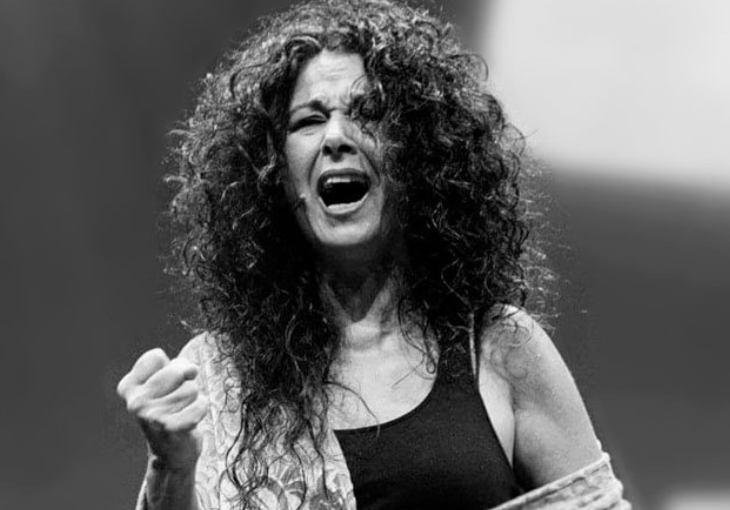
El cante jondo (o "hondo") es el alma más profunda del flamenco. Su nombre ya lo dice: es un cante que nace desde lo hondo, desde el dolor, la tragedia y las emociones más intensas. Es un cante serio, a veces desgarrador, que trata temas como la muerte, la soledad, el sufrimiento o el destino.
Algunos palos característicos del cante jondo son:
- Seguiriya
- Soleá
- Toná
- Martinete
- Petenera
Estos estilos suelen interpretarse con un tempo lento, una gran carga emocional y una técnica vocal exigente. No buscan tanto el entretenimiento como la catarsis: el cante jondo es una forma de expresar lo inefable, de llorar cantando.
¿Y el cante chico?
En el otro extremo está el cante chico, que podríamos describir como la cara más ligera y festiva del flamenco. No por eso menos valiosa, pero sí más enfocada al disfrute, la fiesta, el coqueteo, el amor o el humor.
Los palos de cante chico más representativos incluyen:
- Alegrías
- Tangos
- Bulerías
- Tientos
- Fandangos
Estos estilos tienen un ritmo más vivo y permiten una mayor interacción entre el cantaor, el bailaor y el guitarrista. Son el corazón de muchas celebraciones flamencas, donde la complicidad y el duende se mezclan con el bullicio del público.
¿Cuál es más difícil?
Ambos tienen sus exigencias. El cante jondo requiere un gran dominio vocal y emocional: no basta con afinar, hay que transmitir desde las entrañas. El cante chico, por su parte, exige un alto control del compás, agilidad y una conexión directa con el público.
Muchos grandes artistas dominan ambos, y saben cuándo es el momento de la hondura y cuándo el de la ligereza. Esa versatilidad es lo que hace grande al flamenco.
En Granada se siente la diferencia
Granada es una de las cunas del flamenco, y en Teatro Flamenco Granada, cada noche es una lección viva de lo que significan estas dos formas de cante. Puedes pasar de una soleá que estremece hasta una bulería que levanta al público en pocos segundos.
Te invitamos a experimentar esa dualidad en directo. Porque entender el flamenco es también aprender a escuchar sus contrastes.
¡Compra tus entradas y vive la pasión del flamenco!