
Filtrar contenido
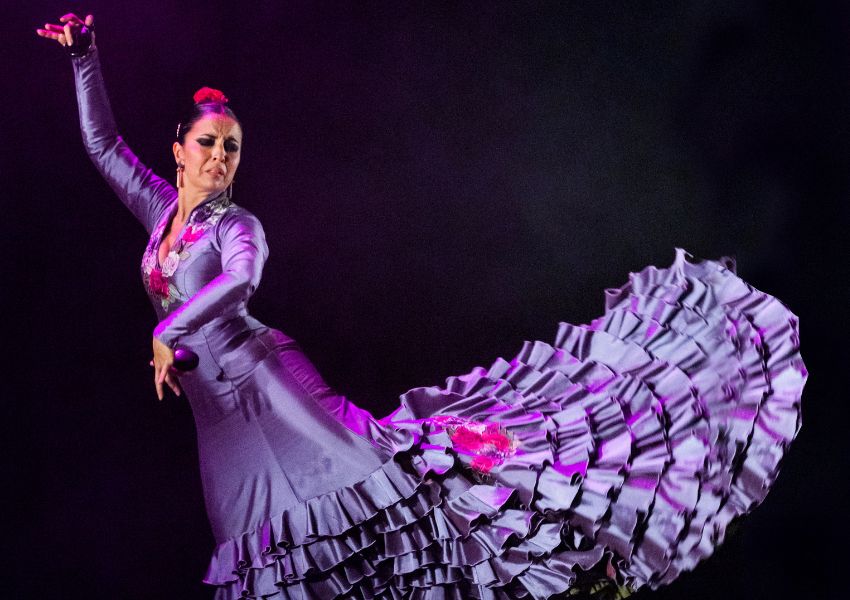
Volantes con historia: historia y evolución del traje de flamenca
Descubre cómo esta emblemática vestimenta representa la esencia de la cultura andaluza, así como su papel fundamental en los escenarios, fusionando tradición, arte y pasión en cada movimiento.
El traje de flamenca es una de las indumentarias más emblemáticas de la cultura andaluza, un símbolo que ha traspasado fronteras y que representa la esencia del flamenco. En Teatro Flamenco Granada, queremos explorar los orígenes de esta vestimenta: desde sus humildes inicios en las ferias del siglo XIX hasta su relevancia en la moda contemporánea y en los grandes escenarios. El traje de flamenca ha experimentado una evolución constante, durante la que ha debido adaptarse a los cambios sociales y artísticos.
Los orígenes del traje de flamenca
Los orígenes del traje de flamenca se remontan al siglo XIX, como atuendo de las mujeres gitanas y campesinas del sur de España. En aquel entonces, esta indumentaria era bastante simple y práctica, ya que estaba diseñada para facilitar el trabajo en el campo y durante las ferias. Las mujeres usaban faldas largas y ajustadas, a menudo adornadas con volantes de colores vivos que evocaban la alegría y el ambiente festivo de las celebraciones locales.
Las ferias, en especial la famosa Feria de Abril de Sevilla, eran el escenario perfecto para que las mujeres exhibieran sus trajes. Durante estos eventos, el traje comenzó a ganar reconocimiento y a convertirse en un símbolo de la identidad andaluza. Este atuendo no solo era una expresión de la cultura gitana, sino también un reflejo de la feminidad y la determinación de las mujeres de la época.
La influencia del flamenco
Con la creciente popularidad del flamenco a principios del siglo XX, el traje de flamenca pasó de ser una simple vestimenta utilizada en el entorno rural a convertirse en un elemento central del panorama del flamenco. Este cambio tuvo un gran impacto, ya que comenzó a considerarse un símbolo de la pasión y la vitalidad características de este arte. En ciudades como Granada, donde el arte del flamenco está profundamente arraigado, el traje de flamenca constituye una pieza esencial para los espectáculos flamencos, puesto que se integra a la perfección con la cultura y los valores que se transmiten.
La evolución en el diseño
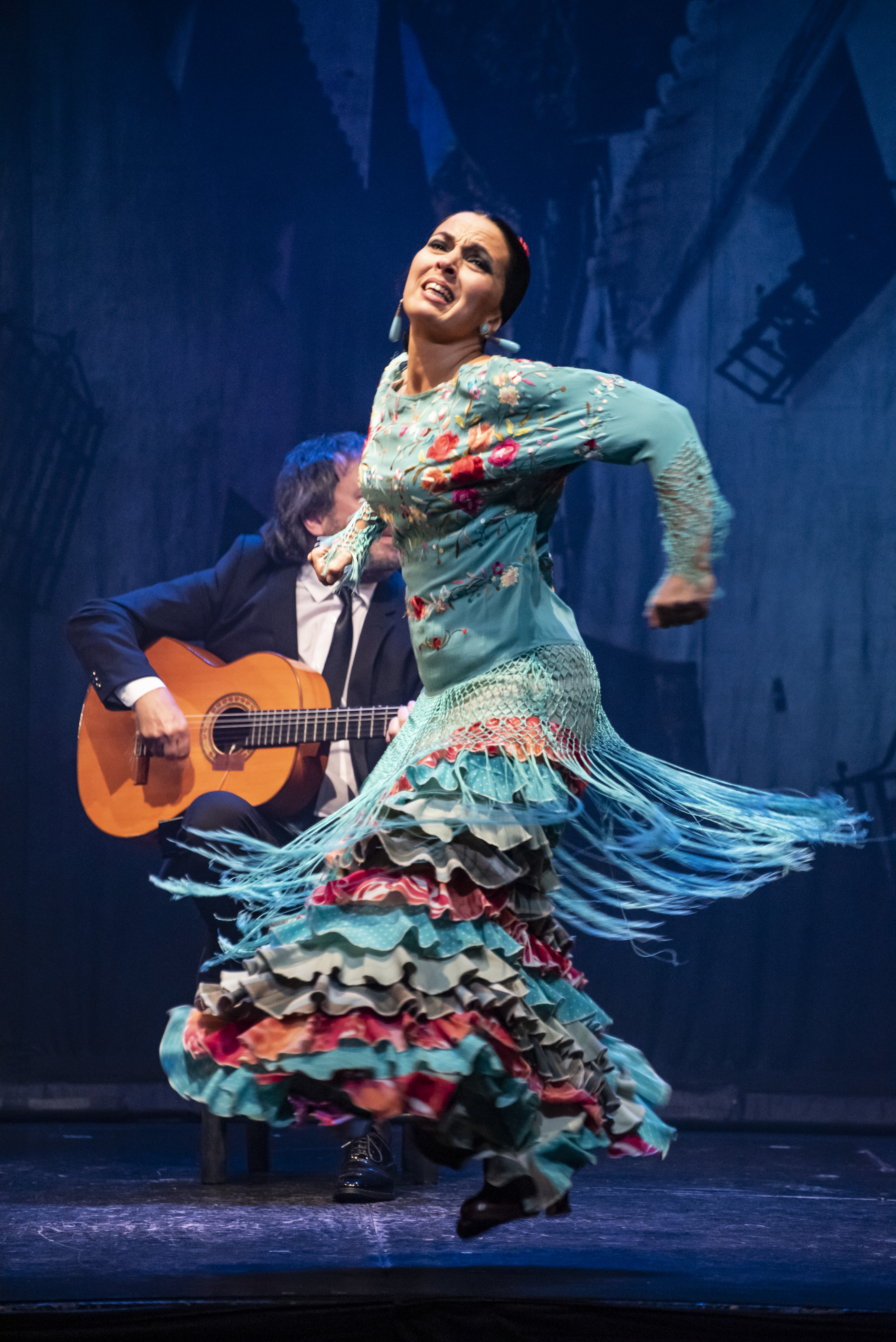
A lo largo de la historia, el traje de flamenca ha ido evolucionando en términos de diseño y confección. Durante la década de 1920 y 1930, comenzaron a surgir los primeros modistas especializados en la creación de trajes de flamenca: Cristóbal Balenciaga y Manuel Pertegaz desempeñaron un papel fundamental en la modernización de este atuendo, ya que introdujeron nuevos patrones y materiales.
La década de los 60 marcó otro hito en la evolución del traje de flamenca, puesto que, sobre la base de la influencia de la moda internacional, comenzaron a incorporarse elementos más atrevidos y contemporáneos con el objetivo de fusionar la tradición con la modernidad. Ciertos tejidos como la seda y el terciopelo fueron ganando popularidad y, en el caso de los patrones, se empezó a trabajar con un amplio abanico de estilos, desde los clásicos lunares hasta flores y encajes.
Un icono en la moda contemporánea
En la actualidad, el traje de flamenca no solo se utiliza en festividades y espectáculos de flamenco, sino que también es objeto de diseñadores de moda de renombre. En eventos como el Salón Internacional de la Moda Flamenca (SIMOF), estos diseñadores presentan colecciones que rinden homenaje a la tradición, pero con un enfoque contemporáneo. Cada año, el traje de flamenca se reinventa, adaptándose a las tendencias actuales a la vez que mantiene su esencia.
El traje de flamenca en la actualidad
Hoy en día, el traje de flamenca se mantiene como un símbolo de orgullo y cultura en Andalucía. En diversas festividades a lo largo de la región, las mujeres visten con orgullo este atuendo, que ensalza su herencia cultural y su identidad. Cada traje cuenta una historia y representa una mezcla de tradición, emoción y arte que se refleja en cada movimiento del flamenco.
En Teatro Flamenco Granada, entendemos que el traje de flamenca es más que una simple vestimenta; es un símbolo de la pasión y la vida de la región de Andalucía. Al celebrar esta rica tradición, también rendimos homenaje a todas las mujeres que han llevado y continúan llevando con orgullo este traje. No pierdas la oportunidad de disfrutar de esta experiencia cultural única. Compra tus entradas aquí y vive el arte del flamenco en su máxima expresión.