Filtrar contenido
La influencia árabe en el flamenco: raíces y resonancias en Granada
El flamenco hunde sus raíces en múltiples culturas, y en Granada, la huella árabe sigue viva en sus melodías, ritmos y formas de expresión
El flamenco es un arte mestizo, fruto del encuentro entre pueblos, culturas y sensibilidades. En Granada, ciudad marcada por su historia nazarí y su herencia andalusí, esa influencia árabe ha dejado una impronta inconfundible en el arte jondo. Desde las cadencias melódicas hasta la forma de entender el ritmo, el legado árabe sigue latiendo en el cante, el toque y el baile flamenco.
Granada, tierra de encuentro
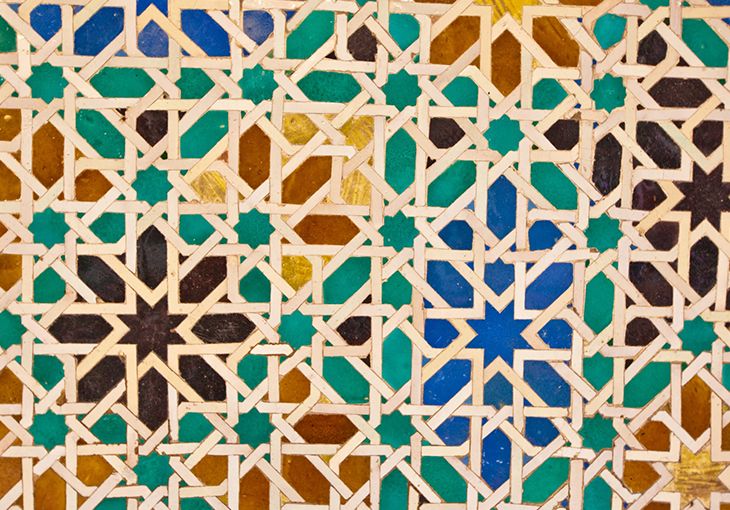
Durante siglos, Granada fue uno de los centros más brillantes de Al-Ándalus, donde florecieron la poesía, la música y la arquitectura. Aquella sensibilidad artística impregnó la vida cotidiana y se transmitió de generación en generación, incluso después de la caída del Reino Nazarí en 1492.
Los cantos de los muecines, las escalas orientales y la tradición lírica árabe dejaron una huella profunda en la música popular andaluza, que más tarde se entrelazaría con otros aportes culturales hasta dar forma al flamenco.
Melodías con resonancias orientales
Una de las características más evidentes de la influencia árabe en el flamenco está en la modalidad musical. Escalas como el modo frigio o el uso de giros melismáticos recuerdan a las antiguas formas del canto andalusí. En el cante, esos adornos vocales evocan ecos de un pasado compartido, donde la voz se convertía en instrumento para transmitir emoción.
Los tonos graves y profundos, junto con las ornamentaciones vocales, establecen un puente directo con la tradición árabe que aún hoy se percibe en palos como la granaína, la malagueña o ciertos estilos libres.
Ritmos y poesía heredados
La poesía árabe también dejó su sello en el flamenco. La importancia de la metáfora, el amor por la naturaleza, la exaltación del dolor y del gozo aparecen tanto en las jarchas como en muchas letras flamencas.
Asimismo, algunos compases y formas rítmicas recuerdan las antiguas músicas andalusíes, que se transmitieron oralmente y se adaptaron a lo largo de los siglos en la cultura popular de Granada y sus alrededores.
El Sacromonte, memoria viva
El barrio del Sacromonte, con sus cuevas y su historia, es un espacio donde aún se siente la conexión con ese legado árabe-andalusí. Allí, el flamenco se ha mantenido vivo gracias a las familias gitanas que lo han transmitido de generación en generación, incorporando sin perder la esencia esos ecos ancestrales.
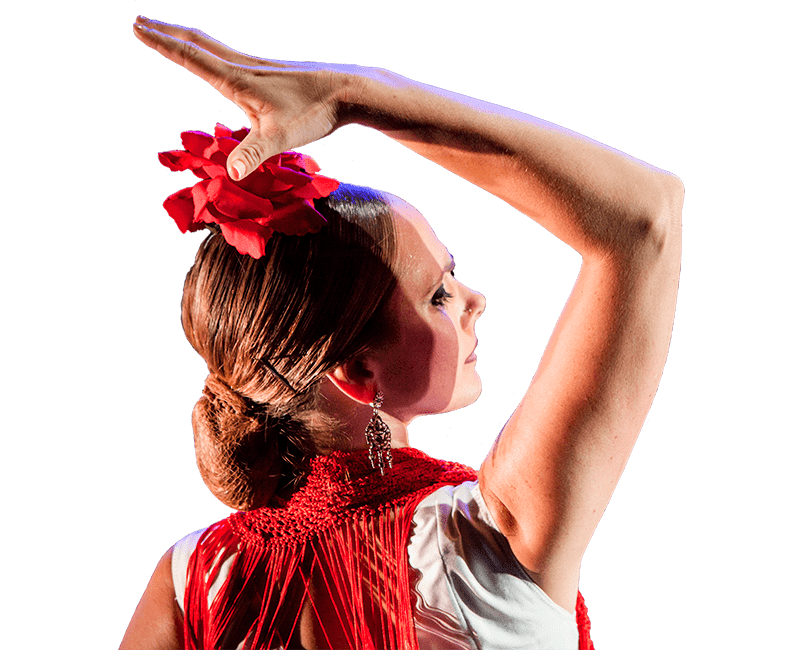
El baile, con sus giros y brazos que evocan formas sinuosas, también refleja esa herencia, integrándola en una expresión que es a la vez universal y profundamente granadina.
El flamenco no puede entenderse sin reconocer la mezcla de culturas que lo originaron. En Granada, la influencia árabe es una de las resonancias más claras y perdurables, una raíz que nutre la autenticidad y la emoción de este arte.
Si quieres sentir en directo esta fusión de historia y música, Teatro Flamenco Granada te invita a vivir espectáculos donde la herencia andalusí y el duende flamenco se unen en un mismo compás.