Filtrar contenido
Granada y Federico García Lorca: la influencia del flamenco en su obra
Descubre la profunda relación entre uno de los escritores más universales de España y el arte flamenco
Hablar de Granada es hablar de historia, cultura y arte. Pero también es hablar de una figura que marcó para siempre la literatura española: Federico García Lorca. Poeta, dramaturgo y uno de los grandes referentes culturales del siglo XX, Lorca mantuvo una estrecha relación con el flamenco durante toda su vida.
Su fascinación por el cante jondo, las tradiciones populares andaluzas y la capacidad expresiva del flamenco influyeron profundamente en su obra, hasta el punto de convertirse en una de las voces que más contribuyeron a difundir y valorar este arte dentro y fuera de España.
Por eso, cuando hablamos de flamenco en Granada, resulta imposible no detenerse en la figura de Lorca y en la huella que dejó en la historia de este arte.
Federico García Lorca y Granada: una conexión inseparable
Federico García Lorca nació en Fuente Vaqueros, en la provincia de Granada, en 1898. Desde sus primeros años estuvo rodeado de la riqueza cultural y musical que caracterizaba a Andalucía.
Las canciones populares, los romances tradicionales y las expresiones artísticas del entorno rural granadino formaron parte de su educación sentimental y cultural. Aquellas influencias acompañarían al escritor durante toda su vida y acabarían reflejándose en gran parte de su producción literaria.
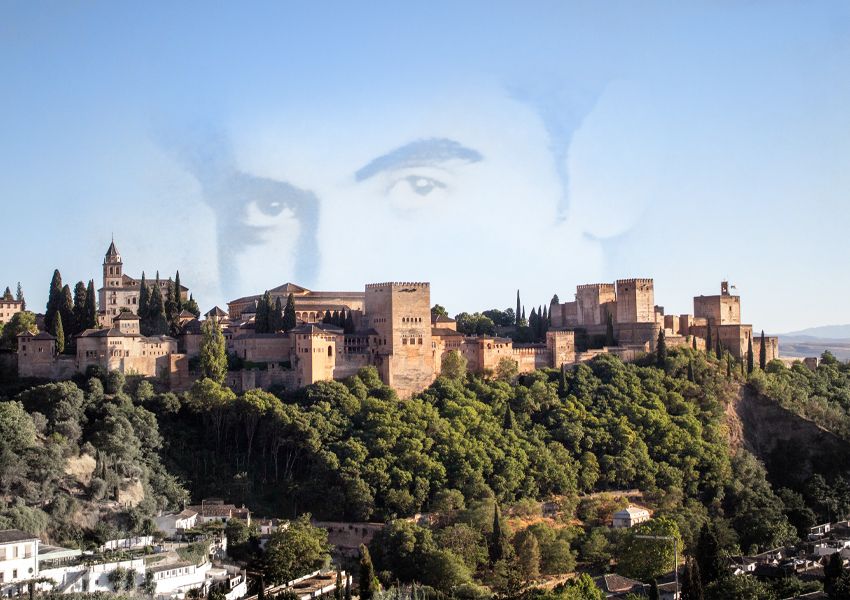
Granada no fue únicamente el lugar donde nació. Fue también una fuente constante de inspiración para su universo creativo. Sus paisajes, sus personajes, sus costumbres y, especialmente, su relación con el flamenco aparecen de forma recurrente en muchos de sus textos.
El descubrimiento del cante jondo
Entre todas las manifestaciones artísticas que despertaron el interés de Lorca, pocas tuvieron tanta importancia como el cante jondo.
El poeta veía en el flamenco una forma de expresión profundamente ligada al alma de Andalucía. Consideraba que el cante jondo era una manifestación artística capaz de transmitir emociones universales a través de la música, la palabra y la interpretación.
Lejos de entenderlo como una simple tradición popular, Lorca defendió el flamenco como una de las expresiones culturales más valiosas del patrimonio español.
Su interés por este arte fue mucho más allá de la admiración. Lo estudió, investigó y contribuyó activamente a su difusión en una época en la que todavía no gozaba del reconocimiento cultural que tiene en la actualidad.
El Concurso de Cante Jondo de 1922
Uno de los momentos más importantes en la relación entre Lorca y el flamenco tuvo lugar en 1922. Junto al compositor Manuel de Falla, impulsó la organización del histórico Concurso de Cante Jondo celebrado en Granada.
El objetivo de esta iniciativa era proteger y preservar las formas más auténticas del flamenco, que algunos intelectuales de la época consideraban amenazadas por la comercialización y la pérdida de ciertas tradiciones.
El concurso reunió a artistas, estudiosos y aficionados de diferentes puntos de España y supuso un acontecimiento clave para la revalorización del flamenco como expresión artística. A día de hoy, sigue siendo considerado uno de los episodios más importantes en la historia moderna del flamenco.
El flamenco en la poesía de Lorca
La influencia del flamenco puede encontrarse en numerosas obras de Federico García Lorca. Uno de los ejemplos más conocidos es el Poema del cante jondo, una colección de poemas inspirados directamente en el universo flamenco y en las emociones que transmite este arte.
En sus versos aparecen conceptos profundamente ligados al flamenco como el dolor, la pasión, la muerte, el amor o la nostalgia. Elementos que también forman parte de muchos cantes y que contribuyen a explicar la enorme conexión que Lorca sentía con esta tradición.
Su capacidad para transformar esas emociones en literatura permitió acercar el flamenco a nuevos públicos y consolidó el vínculo entre ambas disciplinas artísticas.
El duende: una de las grandes aportaciones de Lorca al flamenco
Si existe un concepto que hoy se asocia de forma natural al flamenco, ese es el duende.
Federico García Lorca dedicó parte de su reflexión artística a explicar esta idea tan difícil de definir. Para él, el duende representaba esa fuerza misteriosa que aparece en determinados momentos de inspiración y que permite alcanzar una emoción auténtica y profunda.
Aunque el concepto puede aplicarse a diferentes disciplinas artísticas, es en el flamenco donde ha encontrado una de sus expresiones más reconocibles.
Cuando un cantaor emociona, cuando una guitarra parece hablar o cuando una bailaora consigue estremecer al público, muchos aficionados dicen que ha aparecido el duende. Y buena parte de esa interpretación contemporánea se debe precisamente a las reflexiones de Lorca.
El legado de Lorca sigue vivo en el flamenco de Granada
Más de un siglo después, la relación entre Granada y el flamenco continúa siendo una parte esencial de la identidad cultural de la ciudad.
El legado de Federico García Lorca sigue presente en espacios culturales, festivales, estudios y actividades que mantienen vivo su vínculo con este arte.
Cada vez que el cante, la guitarra y el baile se unen para emocionar al público, también se mantiene viva una parte de aquella visión que Lorca defendió durante toda su vida.
Por eso, descubrir el flamenco en Granada es también una forma de acercarse a la obra y al pensamiento de uno de los autores más importantes de la literatura española.
Vive el flamenco en directo en Granada
El flamenco que fascinó a Federico García Lorca sigue emocionando hoy a miles de personas en todo el mundo. Si quieres descubrir por qué este arte inspiró a uno de los mayores escritores de nuestra historia, no hay mejor forma de hacerlo que viviéndolo en primera persona.
Reserva aquí tus entradas y disfruta de un auténtico espectáculo flamenco en Granada. No te quedes sin tu entrada y descubre la emoción del flamenco en directo en Teatro Flamenco Granada.
Lo más leído
Sergio Gómez “El Colorao”, una voz ligada a las raíces del flamenco granadino
El cantaor pertenece a una histórica familia flamenca de Granada y ha construido una trayectoria en la que conviven el conocimiento de los cantes clásicos y la búsqueda de un lenguaje propio